
The Project
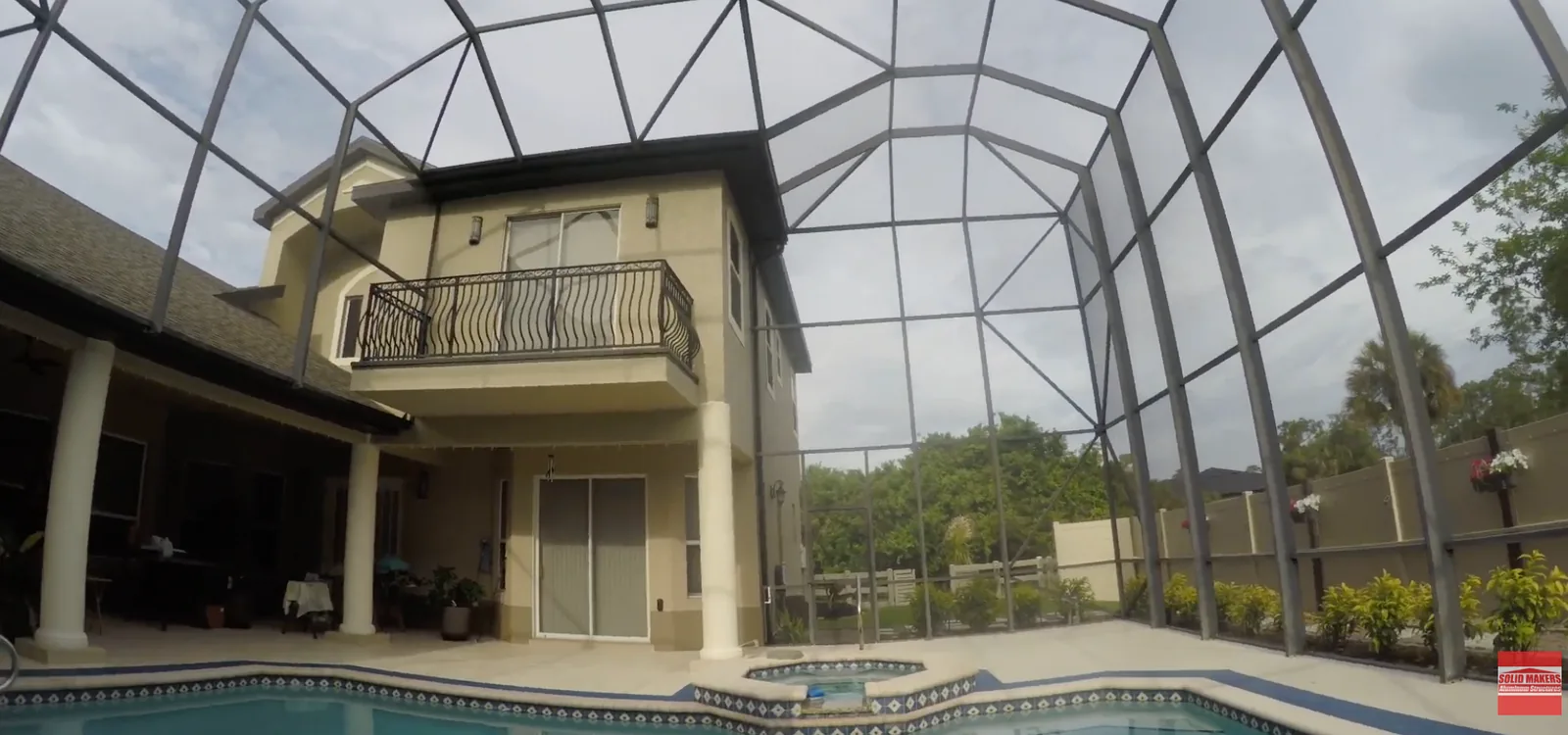
The homeowner's pool enclosure already had Super Screen installed. Instead of finding brittle, worn-out screen everywhere, we found something different: much of the original material was still strong after more than a decade. The spline had begun shrinking and pulling loose in several places, allowing panels to sag or come free.
Rather than replacing good material simply because it was old, we worked section by section. Panels that needed replacement received new Super Screen, while older panels that were still in good condition were re-splined where practical.
When the Screen Outlasts the Spline
One of the most interesting parts of this job was seeing the condition of the older Super Screen. The homeowner had been using it for more than 10 years, yet the mesh was still flexible enough that some panels could be kept in service.
The problem was the spline. Over time, spline can shrink, harden or pull loose from the aluminum groove. Once that happens, even strong screen can begin hanging or pulling away from the frame.
Old Super Screen vs. New Super Screen
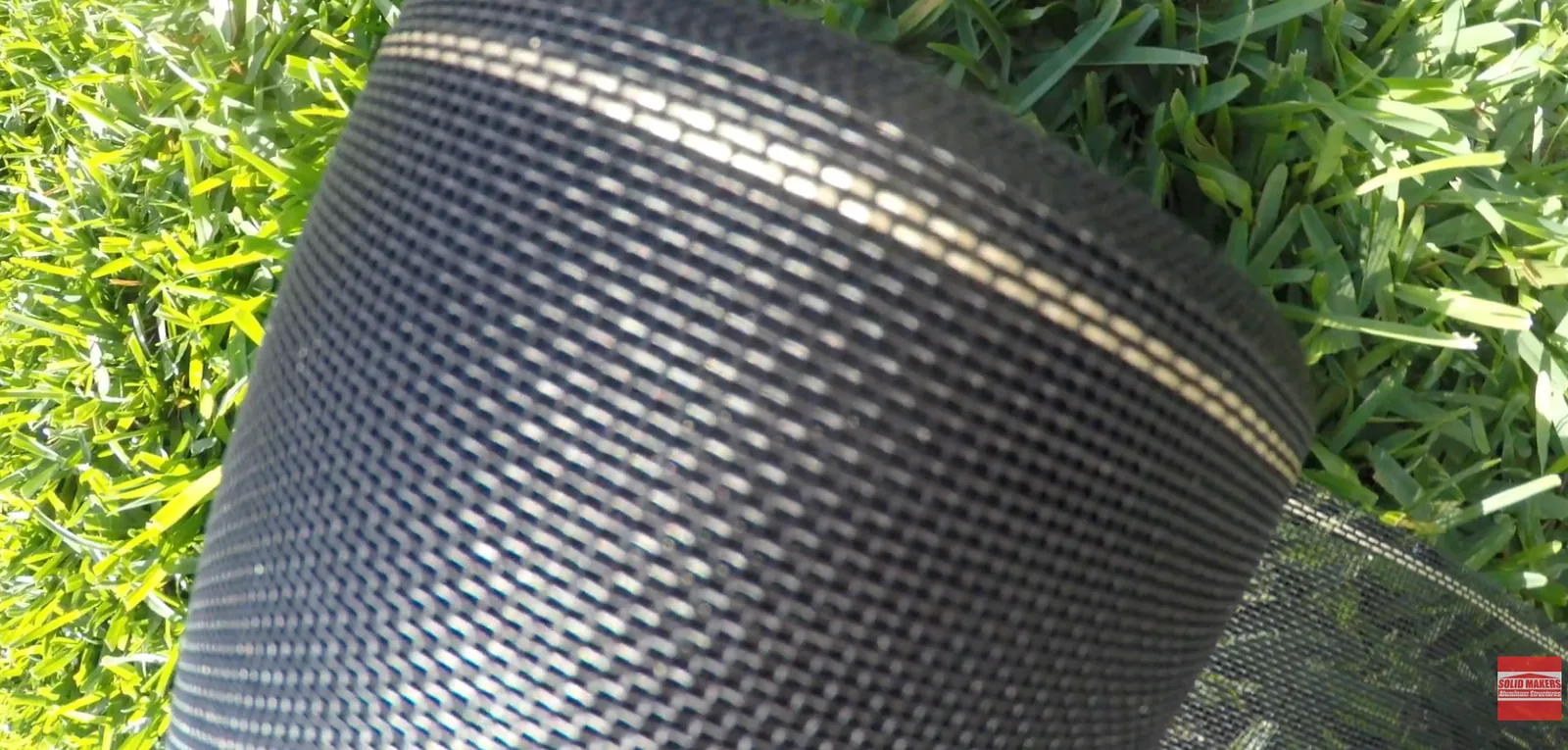
During the job, we compared one of the older pieces of Super Screen with a brand-new roll. The new material was naturally darker and had more of a fresh finish, but the older material was still in remarkably good condition considering how long it had been exposed to Florida sun and weather.
Super Screen can also be identified by the small gold identification strands woven into the material. That is useful when the original packaging is long gone and you are trying to determine what type of screen is already installed.
Replacing Selected Pool Cage Panels
Some sections needed new screen, including panels high on the enclosure. We used new Super Screen where replacement made sense and installed the panels individually within their openings.
The previous installation had screen spanning across more than one opening in some areas. That creates extra work when only one section needs repair because disturbing one panel can also loosen the neighboring screen. We prefer treating individual openings separately when the framing layout allows it.
Pool Cage Screw Replacement
Screening was only part of the work. We also replaced aging enclosure screws while moving around the cage. Older steel fasteners can rust, seize or break during removal, so replacement sometimes requires moving the new fastener slightly or adjusting the attachment point when an old screw snaps.
Working High on a Tall Pool Enclosure
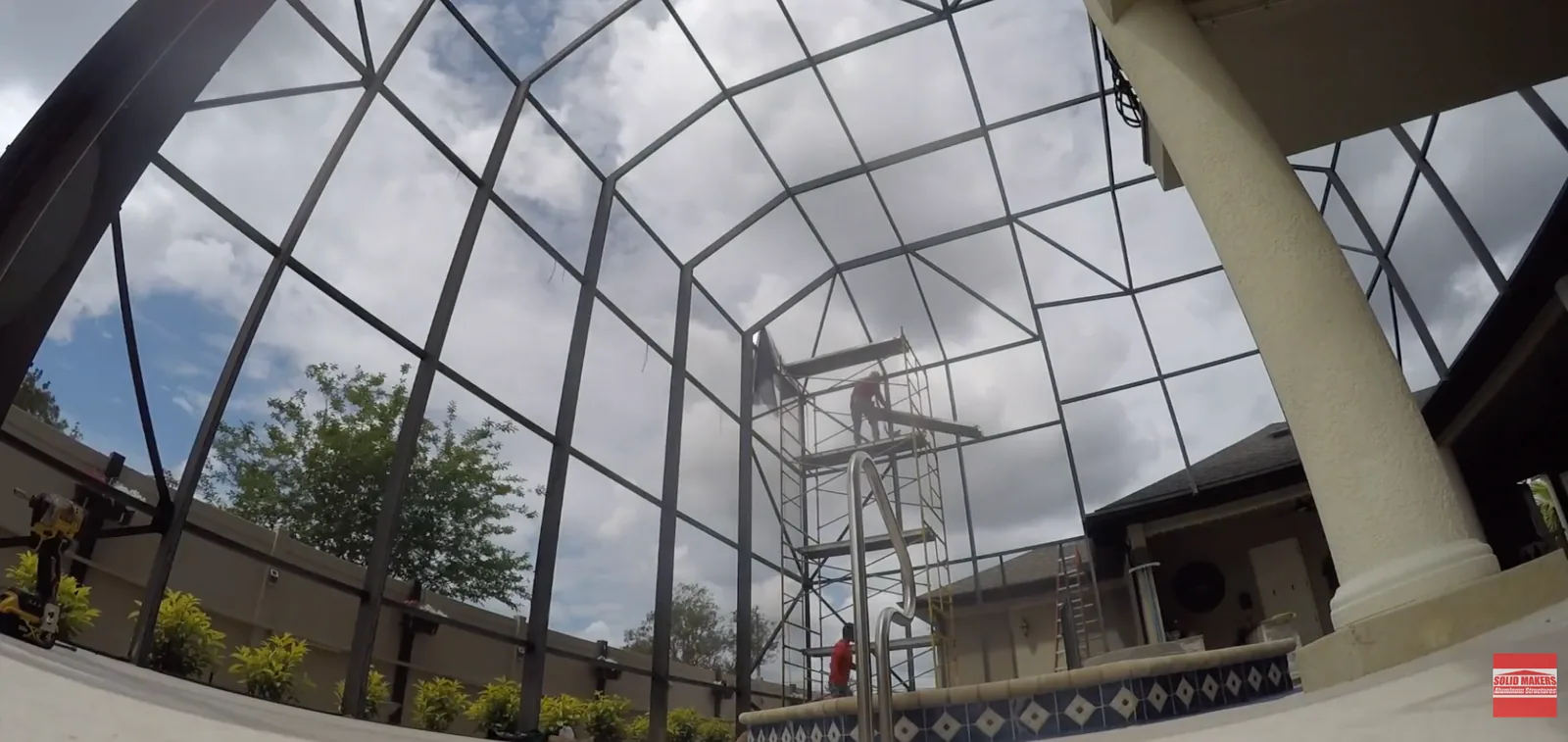
This was a tall enclosure, which changed the pace of the job. High panels require additional setup and repeated repositioning of access equipment as the crew moves from one section to another.
That makes tall pool cages slower than lower enclosures, but proper access is important. The crew used scaffold-style setup and worked section by section rather than rushing the height work.
The Finished Repair
By the end of the day, the problem areas had been addressed with a combination of new Super Screen, re-splining and screw replacement. The project is a good example of why every older pool cage should be evaluated based on its actual condition instead of assuming every component needs to be replaced at once.
When the existing screen is still strong, selective repairs can sometimes make sense. When the entire enclosure becomes brittle or begins failing throughout, a complete rescreen is usually the better long-term move.
Project FAQs
Can Super Screen last longer than the spline?
Yes. On this project, the Super Screen had been installed for more than 10 years and much of the mesh was still serviceable even though several spline sections had begun pulling loose.
Can you re-spline existing screen instead of replacing it?
Sometimes. If the mesh is still flexible and in good condition, selected sections may be re-splined rather than automatically replaced.
Can pool cage screws be replaced during screen work?
Yes. This project included replacing aging screws while the crew worked around the enclosure.
Why do tall pool cages take longer?
Height requires additional setup, safer access and repeated movement of scaffolding or other equipment as each section is repaired.